

Tattoo Removal

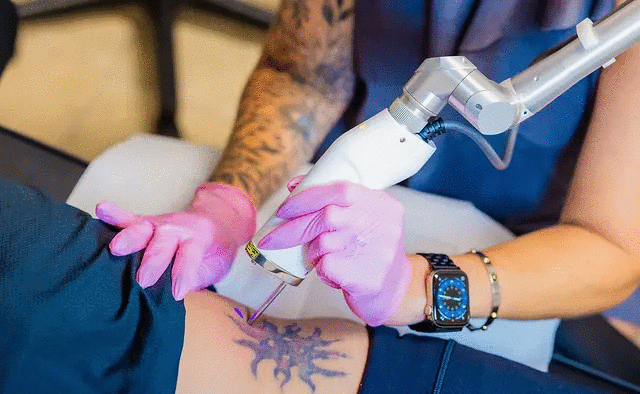

The Cutera Enlighten III Laser represents a giant leap forward in treating tattoos. This laser emits a beam of light that shatters the ink into tiny pieces that are absorbed harmlessly by the body. All this can be accomplished with little to no damage of the surrounding tissue. The biggest advantage of this laser is that it can remove tattoos in fewer treatments and with less risk.
Lasers remove tattoos by breaking up the pigment colours with a high-intensity light beam. Black tattoo pigment absorbs all laser wavelengths, making it the easiest color to treat. Other colours can only be treated by selected lasers based upon the pigment colour.
What To Expect During Laser Tattoo Removal?
You’ll be given a pair of protective eye shields, The technician will then test your skin’s reaction to the laser to determine the most effective energy for treatment. The laser pulses intense light through the top layers of your skin that will be absorbed by the tattoo pigment only.
How Many Treatments Will I Need?
The number of treatments is dependent on the complexity of the individual’s tattoo. Age, size, and colour of the tattoo, as well as skin tone are important factors, along with how deep the tattoo pigment goes. We typically estimate a minimum of 6-10 treatments for tattoo removal.
Is Laser Tattoo Removal Painful?
Laser tattoo removal is uncomfortable, but not necessarily unbearable. The treatments are quick but if you are concerned about the level of pain, we recommend using a numbing cream prior to your visit. Apply a generous layer and cover it with cling wrap, make sure it stays on your skin for a minimum of 30 minutes to ensure proper numbing effects. We do use cooling agents during the treatment to encourage comfortability. Clients should avoid exposure to the sun or tanning beds for a week after treatment.
Tattoo Removal Aftercare
After laser tattoo removal, expect immediate redness, swelling and a “frosting” effect (white, chalky appearance). This typically subsides in a few hours or days. The area will feel likes a sunburn, with potential blisters, scabbing and itching occurring for the first 1-2 weeks. Full healing of the skin takes about 4-8 weeks, during which the tattoo continues to fade. The effects of lightening/removal can remain in the skin for up to 3-6 months after the last session.
Immediately After (0-3 Days)
-
Frosting – a white, chalky or powdery appearance immediately post laser. Typically this fades in about 30 minutes.
-
Redness and swelling – the area will be tender, inflamed and swollen.
-
Blistering – small or large blisters are common, especially with heavily inked and darker tattoos.
First 1-2 Weeks
-
Scabbing and Crusting – as blisters heal, they may crust over. DO NOT PICK OR POP these blisters to avoid scarring or pigmentation changes.
-
Itching – mild to intense itching is normal as the skin is healing and regenerating.
-
Skin sensitivity – the area must be kept clean, dry, moisturized and protected
Long Term Healing (3-6+ Weeks)
-
Pigmentation Changes – the skin may temporarily become lighter or darker. (Hypo/Hyper pigmentation). Make sure to keep skin hydrated, moisturized and sun protected to avoid long term risk of pigmentation.
-
Fading – the tattoo will continue to fade, but complete removal takes multiples sessions. Sessions vary from 6-8 weeks apart to allow for proper skin and tissue repair and healing between sessions.
Aftercare Tips
-
Keep it covered – we will bandage your tattoo before you leave the appointment. Leave it covered for 2 days (you can shower with bandage on).
-
Avoid direct sunlight – protect the area from direct or prolonged sunlight exposure to prevent further damage to the skin.
-
Cold Compress – apply as needed to reduce swelling in the initial phases of tattoo removal.
-
No Picking/Popping – do not pick scabs or pop blisters. Allow scabs to fall off naturally and leave blisters alone to prevent scarring and pigmentation changes.
Contact a healthcare provider if you experience severe pain, excessive swelling, or signs of infection, such as pus.